Reported cuts target Marriott complaint teams and Ambassador support as the company expands automated service and posts strong financial results.

Marriott’s latest reported layoffs reach into the teams guests turn to when a hotel stay goes wrong. Employees say corporate consumer affairs and customer relations roles are being eliminated, while Ambassador support is also changing. Marriott has confirmed a customer service reorganization, but hasn’t publicly detailed the scale of this round of cuts.
Reports surfaced in a Reddit discussion that began Monday, after CEO Anthony Capuano emailed staff about layoffs affecting “continents and disciplines.” Employees and commenters described cuts across digital, global technology, human resources, recruiting, quality and customer engagement.
By now, most of us have seen Tony’s email about upcoming layoffs. Does anyone have any insights into what “continents and disciplines” will be impacted? What a way to start the holiday season 😬
One commenter said the entire OCA and CRT teams—corporate consumer affairs and customer relations—were laid off, with November 13 as their last day. Another said global teams were being affected first, with regional teams expected to follow in early 2027. A September post on TheLayoff.com had described plans to eliminate consumer affairs, case resolution and social media teams, with November 23 cited as an end date.
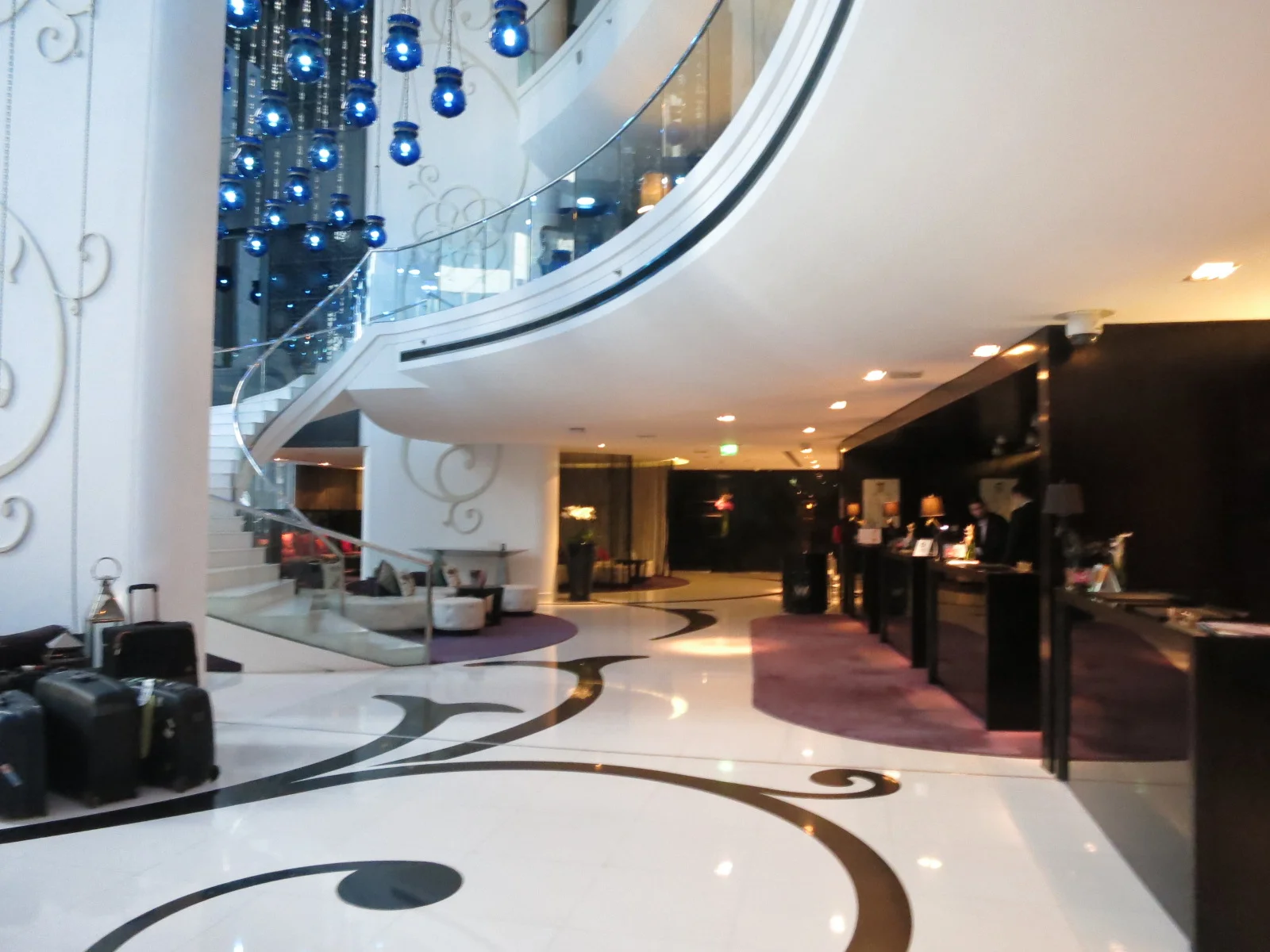
Repeated changes to customer service
Marriott confirmed a reorganization of its customer engagement centers on September 17, citing changes in how customers contact the company. This follows earlier rounds of cost reduction and customer service cuts.
- November 2024: Marriott announced a companywide cost program, with an initial goal of $80 million to $90 million in annual general and administrative savings starting in 2025. A Maryland layoff notice listed 833 employees at the company’s Bethesda headquarters. The plans were also framed as a way to reduce costs for hotel owners, as discussed in this earlier report.
- October 2025: Marriott said a small portion of its customer engagement workforce would be affected and denied that artificial intelligence drove that decision.
The latest cuts arrive during a period of growth. In its most recently reported quarter, Marriott recorded $766 million in earnings, repurchased $1.1 billion in stock and reported 3.4% growth in worldwide revenue per available room. The company raised its full-year forecast and projected returning more than $4.5 billion to shareholders in 2026.

Ambassador service has faced cuts before
Employees have also described Ambassador work shifting between countries, including Anytime Ambassador coverage moving to Cape Town and reductions affecting Canada. Marriott continues to promote personal Ambassador service and its Anytime Ambassador team to members with 100 qualifying nights and $23,000 in annual spending.
The program’s staffing history gives those reports added weight. Marriott cut Ambassador roles in March 2020, as reported at the time, and made further reductions in August, covered in another report. By January 2021, the company was telling members that individual Ambassador email inboxes would no longer be monitored. Dedicated Ambassadors returned in June 2023, according to this account of the program.

Personalized support can matter most when a request depends on context. A knowledgeable Ambassador might spot a suite discount or help preserve a member’s Your24 arrival time after a room upgrade. That kind of assistance relies on staff who know the program and can follow a guest’s situation through.
Automation may handle volume, but not every dispute
Cresta recently announced an expanded relationship with Marriott to answer guest questions by voice and chat, around the clock and in multiple languages. The announcement says the tools will give Marriott employees “more time for other interactions.” The timing puts that promise alongside reports of cuts to the people who handle complaints and member support.
Marriott’s brands, reservation system and Bonvoy membership access are part of what it sells to hotel owners, who also fund centralized services. Those services help maintain the value of a booking across independently operated properties. But when a hotel declines to honor a benefit or correct a charge, a guest may need someone at Marriott with both the time and authority to intervene.

That authority has already been limited in some disputes: complaints can be sent back to the property that made the original decision. If fewer people remain to hear those cases, automated replies may absorb routine questions while leaving difficult resolutions harder to pursue. For Marriott, the practical test will be whether its service model can still deliver meaningful help when a guest’s problem needs judgment and follow-through.


Discussion
Sign in to join the discussion.