Reports describe passengers staging bag-related injuries to demand payment. In any onboard injury claim, involve the crew and document what happened.
Why overhead-bin disputes deserve attention
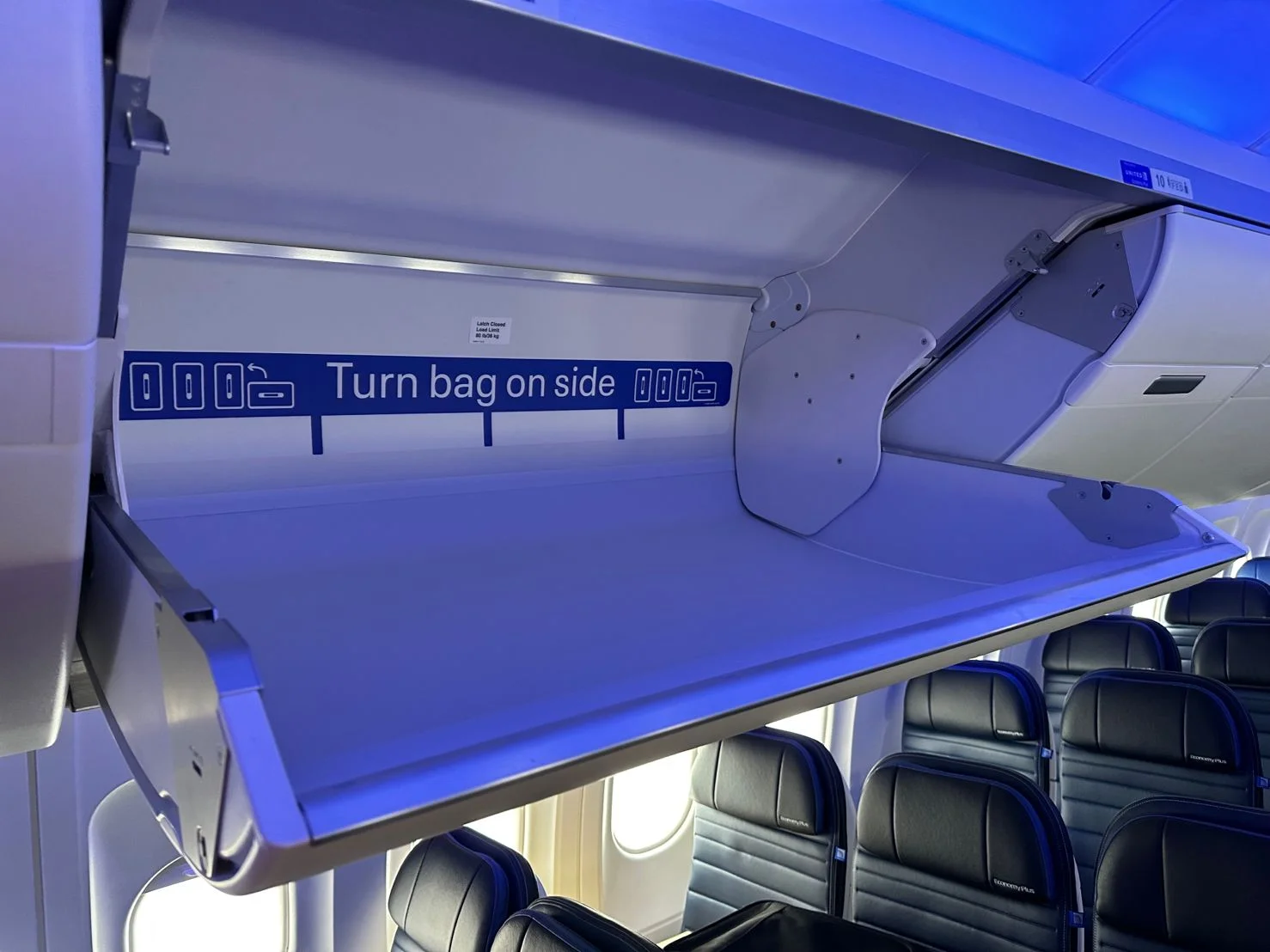
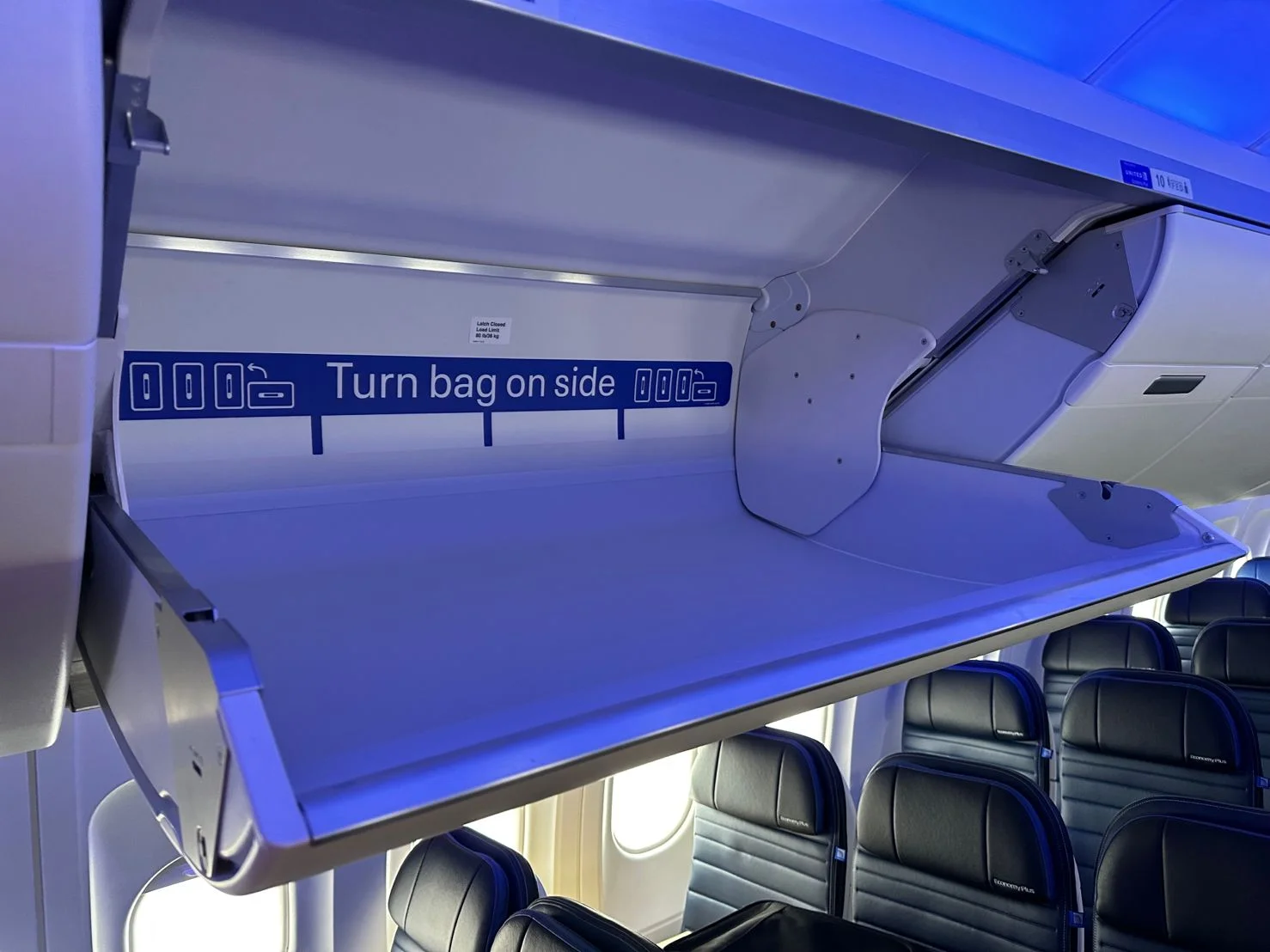
Reports of staged overhead-bin injuries on flights in Asia point to a specific risk for passengers retrieving carry-ons: a claimant may allege contact and demand compensation, even when the bag never touched them. The account comes from a reader who says he saw suspected attempts on an AirAsia flight and later in Singapore Airlines business class. Those reports are allegations from a witness, not proof that the people involved staged an injury. Still, they describe a situation that’s difficult to assess in the moment: a crowded aisle, a bag being lifted, and a sudden complaint that could be genuine or calculated.
The reader described people making themselves difficult to avoid as passengers lifted bags. On the Singapore Airlines flight, he says, one person cautioned a traveler about removing a bag while another stood directly beneath it. When the traveler’s bag touched that person, they complained. The reader believes the two were acting together and says passengers in premium cabins appeared to be the targets in both incidents. That detail may suggest an attempt to choose travelers thought able to pay, but the account doesn’t establish the people’s motives or whether any money changed hands.
“Even though you never touch them, they make a loud noise and say ouch, like you hit them accidentally with your bag. They claim to need medical attention, insist on a police report and even block the aisle, not letting anyone off the plane.”
That description captures why these claims can put passengers under pressure. A person who’s just been accused may feel compelled to apologize, settle the matter quickly, or comply with demands while other travelers are waiting to leave. A complaint can also disrupt the cabin and draw attention before anyone has had time to establish what happened. The crew’s role matters here: they can document the incident and help direct the response while the passenger avoids making a private agreement under pressure.
A documented case in China
There is a prior case involving a similar claim. In 2011, prosecutors in China said a man deliberately collided with passengers handling luggage, then claimed he had been injured and that a diamond had fallen from his watch. He demanded compensation. The case gives the current reports a relevant point of comparison: it shows that allegations involving luggage and claimed injury have been used in a scheme to seek money. It doesn’t prove that the more recent incidents followed the same pattern.
A flight attendant warned one passenger that the claim might be extortion and suggested contacting police. The passenger was afraid and paid 15,000 yuan, about $2,300 at the time, after the claimant demanded 20,000 yuan at a police station following landing. Police later investigated and said the man had obtained 29,000 yuan and a phone from four passengers in similar encounters. He was arrested on suspicion of extortion. The sequence is a reminder that a demand made in the stressful aftermath of an alleged injury isn’t, by itself, evidence that the claim is valid. Nor does one documented case tell us how common this kind of conduct is.
That case involved demands for money from passengers. A person making an injury claim might also seek payment from an airline or insurer, though the reports here don’t establish that anyone did so. At the same time, luggage injuries are real: an 80-year-old United frequent flyer was hospitalized after a bag fell from an overhead bin opened by another passenger. That incident is a useful counterweight to any assumption that a complaint must be fabricated. A fallen bag can cause serious harm, and a careful response protects both the person reporting an injury and the passenger being accused.

What to do if someone reports an injury
On many international flights, the Montreal Convention can make an airline liable for bodily injury caused by an onboard accident, including during boarding or deplaning, even when another passenger handled the bag. The relevant issue is whether the injury resulted from an accident within the convention’s terms; the presence of a complaint alone doesn’t settle that question. For a passenger, the practical point is simpler: let the airline’s crew know promptly and avoid trying to decide the legal or medical merits of the claim in the aisle.
If someone says they’ve been hurt, bring a flight attendant into the conversation and ask the crew to arrange medical attention. Ask them to record your account and gather witness names and contact details. Keep your description factual: where you were standing, what you were doing with the bag, whether you saw contact, and what happened immediately afterward. Don’t guess about the other person’s intentions. If the incident is disputed, a clear account from the people who actually saw it may be more useful than a confident theory formed under pressure.
Some passengers may have booked through third-party sites without providing the airline with an email address or phone number, so collecting that information directly can matter. Witnesses can be hard to reach once they’ve left the aircraft, and memories tend to be clearest soon after an event. If you’re working in this space, the lesson is that basic recordkeeping can help distinguish a genuine accident from a disputed account. That said, a passenger shouldn’t treat another traveler’s refusal to provide contact details as proof of wrongdoing.
There’s also a practical reason to keep the crew involved: an onboard dispute can affect other passengers, particularly if someone blocks the aisle or refuses to let people deplane. Crew members can coordinate assistance and record what’s reported. The passenger’s job is to cooperate, give an accurate account, and preserve witness information where possible. No theatrics. Just a record of what happened.
What these reports mean for passengers
The reports are too limited to establish a broad pattern, and the reader’s account remains an account rather than an independently confirmed finding. Even so, this is more significant than it looks: a brief argument over a carry-on can become a contested injury claim before anyone has checked what happened. The same caution applies in both directions. Passengers shouldn’t dismiss an injury simply because a claim seems suspicious, and they shouldn’t assume that an accusation makes them responsible.
For travelers, the useful preparation is modest: lift bags carefully, pay attention to people nearby, and involve the crew if a dispute starts. If you’re accused, don’t make a rushed payment or try to manage the situation alone; ask the crew to document the account and arrange help for anyone who says they’re hurt. The facts may remain disputed, but a prompt record gives the airline and any later investigators something more concrete to work with. What this means for you is straightforward: keep your response calm, factual, and visible to the crew.
The practical response is straightforward: let the crew handle the incident, make sure the facts are recorded, and identify witnesses before they leave the aircraft.

Discussion
Sign in to join the discussion.