Trading baggage allowances could help some travelers, but it would also change airline costs and the value of the benefits already built into fares.
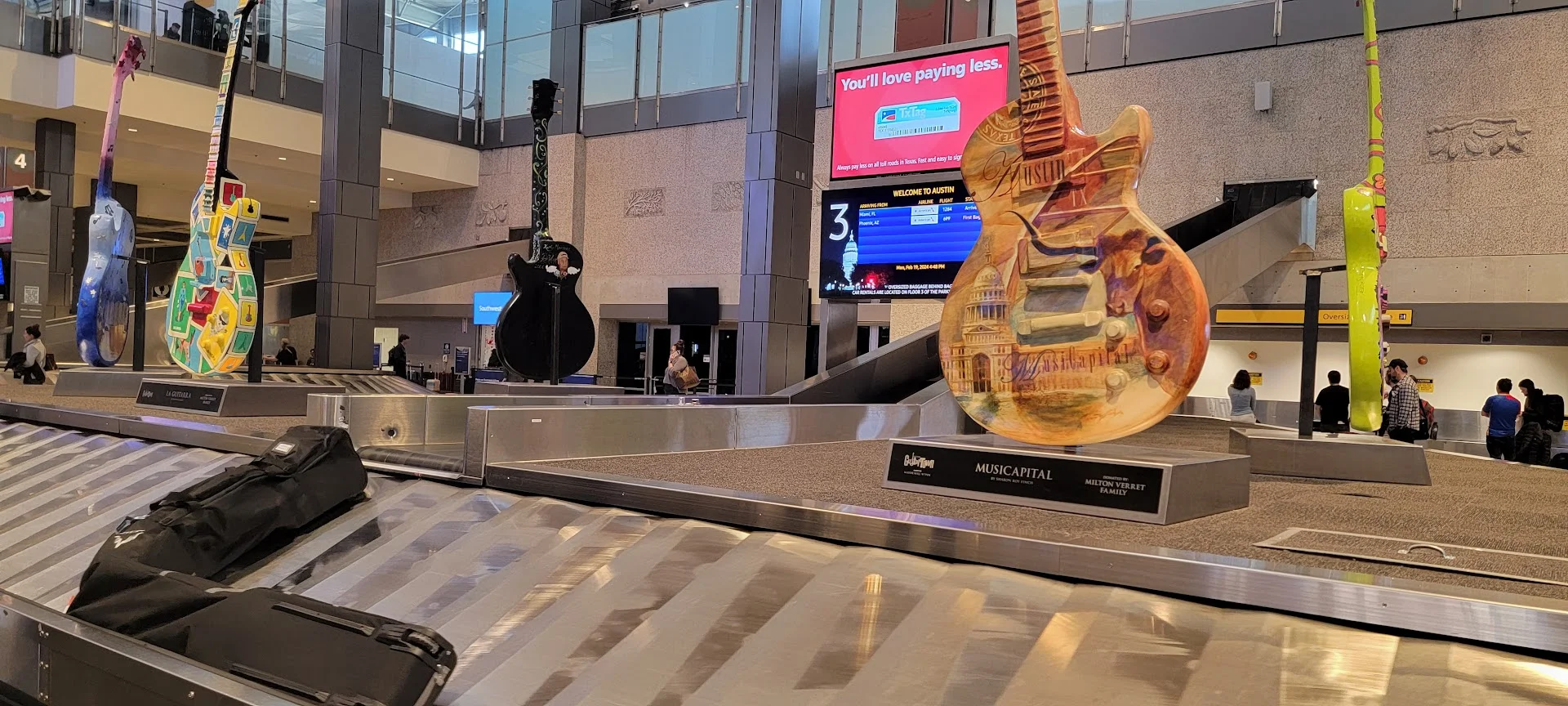
A market for unused checked baggage allowances sounds like a tidy fix: travelers with spare capacity could sell it to passengers facing a bag fee. But the proposal would change what airlines sell, and could make a benefit that often goes unused more expensive to provide.
That’s the central tension in a paper published in the Review of Economic Design. It proposes letting passengers trade rights to checked baggage weight above a baseline allowance, within a capacity limit set by the airline. Buyers who want more baggage could acquire rights from passengers who value them less. The initial allocation would determine who receives the proceeds.
An unused allowance has value to the airline
Airlines can offer baggage benefits at a lower expected cost because not every eligible passenger uses them. Imagine 100 passengers who can each check one bag, while only 60 typically do. The airline doesn’t need to handle 100 bags on that flight. Economists call this breakage: customers value a benefit, but some leave it unused.
That unused capacity isn’t simply wasted. A checked bag benefit gives a traveler the option to bring a bag when needed. Travelers may value that flexibility across a series of trips, rather than treating each allowance as cash worth the full price of a checked bag.
Allowing passengers to sell those rights would make the benefit more useful to buyers. It could also lead to more bags being checked, which means additional handling and potentially more weight to carry. In other words, a transferable allowance would be a different, more valuable product, with a different cost to the airline.
A real trading system would need to transfer the allowance through the airline. The buyer would check their own bag under their own name; the seller wouldn’t put their baggage tag on a stranger’s suitcase.
The effect depends on what the buyer would do otherwise
A sale doesn’t automatically mean another bag on the aircraft. If the buyer was already planning to check the same suitcase, the trade could simply replace a fee payment with money for the seller. The airline would lose fee revenue, but the flight wouldn’t carry an extra bag.
Other buyers might check something they’d otherwise leave at home, or add another suitcase. That would increase handling and could add weight. On a capacity-constrained flight, additional baggage might also compete with cargo or other bags.
Then there’s the passenger who moves a carry-on into the hold. The aircraft’s total weight may change very little, though the airline takes on more baggage handling. That shift could reduce pressure on overhead bins and make boarding easier.
Small, unusual checked items illustrate why usage alone doesn’t tell the whole story. Travelers have checked a beer can or a single pickleball, including one passenger on Southwest when the airline offered two checked bags. A traveler who buys a transferable allowance might check an item they wouldn’t otherwise bring, but another might simply move an existing bag from the cabin to the hold.
So the cost to the airline depends on what the buyer would have done without the trade. More allowances used don’t necessarily translate into a matching increase in fuel use.
Existing pooling shows a narrower option
Ryanair lets passengers on the same booking pool checked baggage allowances. Two travelers who each bought 20 kilograms can divide their combined 40 kilograms unevenly, such as 15 kilograms for one and 25 for the other, subject to the maximum weight for an individual bag. Pooling makes purchased capacity more flexible within a group that already shares a booking.
Open trading would reach further. If passengers could sell allowances broadly, airlines would have reason to revisit the price and terms of the original benefit. They might include fewer allowances, charge more for fares that include them, or collect less in baggage fees when travelers use transferred rights.
My read is that the proposal identifies a real mismatch: some passengers have baggage capacity they won’t use, while others would pay to check more. But the allowance’s unused portion is part of how airlines price and manage the benefit. Trading could redirect that capacity, while also changing demand, costs, and fee revenue. The practical takeaway is that a transferable bag right would need to be priced as a new airline product, not treated as free value waiting to be unlocked.
Discussion
Sign in to join the discussion.